
Strategic Objectives
Community Awareness
Increased community awareness and participation in responding to the needs of Orphans and Vulnerable Children
Essential Services
Increased access to essential services to Orphans and Vulnerable Children
Economic Vulnerabilities
Reduced economic vulnerabilities of Orphans and Vulnerable Children

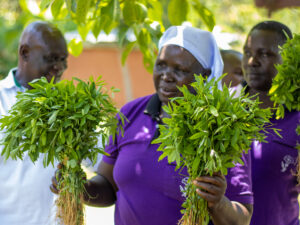
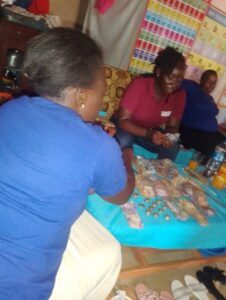
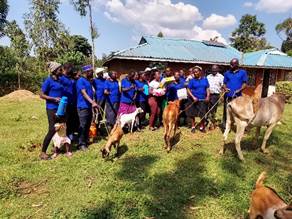 We believe that economic independence is key to building stronger communities. Through our economic empowerment initiatives, we equip women and young people with the skills, knowledge, and opportunities they need to improve their livelihoods. This is achieved through community-based training such as financial literacy training/programs, and entrepreneurial training, along with support for small-scale entrepreneurship, all aimed at fostering economic independence and resilience.